

Education Pt. 36: Health Check Walkthrough

The 2-Minute Pen Scan
Mission Brief
This is an add-on to Behind the Scenes Pt. 10 (Turning Notes Into Decisions). After questions came in about what the 2-minute pen scan actually is, here’s the exact walkthrough we use. This is not a deep medical exam. It’s a fast, repeatable daily scan that catches problems early, protects your data, and keeps small issues from turning into emergencies.
The rule is simple: run it the same way, in the same order, every day.
Why the 2-minute scan exists
Most pen problems announce themselves in small ways first: a bird sitting wrong, a wet corner forming, a feeder getting guarded, breathing that looks off, a tiny injury that will be a blood problem by tomorrow. This scan is how you catch those signals while they’re still easy to fix.
Before you start
Do the scan before you stir the pen up. If you can, look in without reaching in. Quail change behavior when you enter. This scan works best when you get a clean read first.
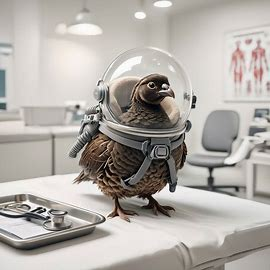
Step-by-step: the 2-minute pen scan
Minute 0:00–0:15 The stillness check
Pause and watch without touching anything.
Normal:
Birds are spread out, moving in short bursts, then resting. No pile-ups. No one is stuck in a corner.
Not normal:
One bird is isolated, hunched, fluffed, head tucked, slow to move, or staying away from the group.
Action:
Mentally mark the odd bird, then continue the scan. Don’t chase it yet.

Minute 0:15–0:45 Posture and movement
You’re looking for anything that doesn’t match the group’s posture and gait.
Normal:
Heads up, eyes alert. Walking looks smooth. Minor pecks happen and stop quickly.
Not normal:
Limping, wobbling, dragging a leg, wing droop, a bird that gets bumped and doesn’t respond, or repeated targeting of one bird.
Action:
If movement is compromised or a bird is being targeted, plan to isolate after you finish the scan.
Minute 0:45–1:15 Breathing check
This is a fast “health vs environment” indicator.
Normal:
Beaks closed, quiet breathing, no tail bobbing. After a brief startle, birds settle quickly.
Not normal:
Open-mouth breathing that isn’t clearly heat related, tail bobbing, wheezing sounds, repeated sneezing, or one bird working to breathe while the rest look normal.
Action:
If multiple birds show it, suspect environment first (airflow, ammonia, heat). If it’s one bird, isolate for observation.

Minute 1:15–1:35 Droppings and moisture scan
You’re not doing lab work. You’re checking for big changes and wet pens.
Normal:
A mix of formed droppings with some moisture. Slight variation is normal with greens and hydration.
Not normal:
Watery puddles across the pen, sudden strong odor, sticky buildup on trays, or a wet crater under a drink point.
Action:
If it’s pen-wide, review recent feed changes, water issues, or stress. If it’s localized, fix the leak and replace wet bedding immediately.
Minute 1:35–1:50 Injury scan
Blood triggers more blood. This is where you stop escalation.
Normal:
Minor feather wear, small scuffs, no exposed skin.
Not normal:
Any blood, widening bald patches, scalp/neck damage, toe bites, swollen eyes, or raw skin.
Action:
If there is blood, isolate the injured bird immediately. Then audit the pen for the cause (space, feed access, water access, lighting glare, line-of-sight).

Minute 1:50–2:00 Access and bottleneck confirmation
Many “behavior problems” are access problems in disguise.
Check fast:
Are birds queueing at one drink point? Is one bird guarding feed? Is the farthest cup/nipple flowing? Are timid birds eating without getting pushed off?
Action:
If you see a bottleneck, add a second station. Don’t wait.
When to isolate (simple rules)Isolate if you see any of the following:
blood or active injury
labored breathing or tail bobbing
lethargy, fluffed posture, not engaging with the group
severe limping or inability to stand normally
one bird being repeatedly targeted
sudden pen-wide change that suggests illness or an environmental failure
Isolation doesn’t need to be fancy. It needs to be warm, dry, and have easy access to feed and water. The goal is protection and observation.
What to write down (10 seconds)One line per pen keeps your records real:
Pen A: normal
Pen B: wet corner under cup, fixed
Pen C: isolated hen, fluffed, monitoring
This ties directly back to Pt. 10. If you’re tracking eggs, damaged eggs, feed consumption, hatch outcomes, and weights, you need a daily baseline so the numbers mean something.
Zero G final thoughts
This scan isn’t paranoia. It’s prevention. Two minutes, same order, every day, and you’ll catch most problems early enough to fix them cleanly.
See it early. Save the pen.



Comments